Iran’s Feed Additives Industry Squeezed by Sanctions and Rising Costs
Mr. Mohsen Hafez – President of the Association of Animal Feed Ingredient Distributors

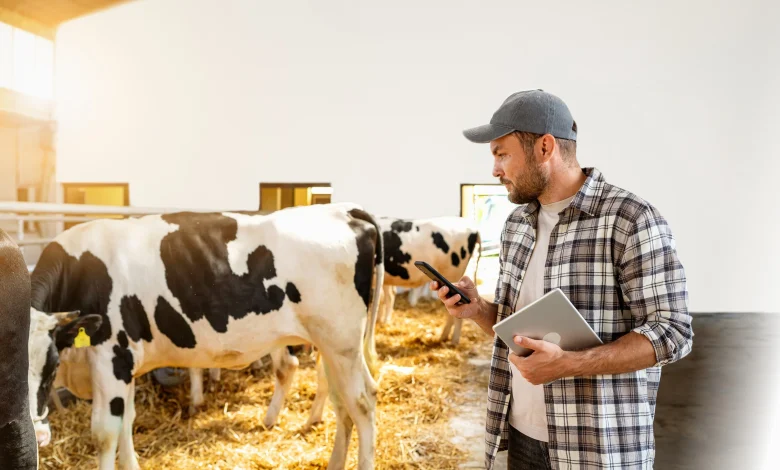
Iran’s animal feed additives industry is facing mounting pressure from international sanctions, currency volatility, rising import costs, and declining purchasing power among livestock and poultry producers. As financial constraints intensify, farmers are prioritizing essential feed ingredients, reducing their use of additives even in large-scale commercial operations.
Declining Purchasing Power Weakens Demand
Persistent inflation and the erosion of producers’ capital, combined with milk and poultry meat prices occasionally falling below production costs, have weakened the financial position of livestock and poultry businesses.
Declining per capita consumption of dairy products and poultry meat has added further pressure, pushing feed additives lower on farmers’ purchasing priorities.
Sanctions and Currency Volatility Disrupt Imports
Banking restrictions, international payment difficulties, and prolonged foreign currency allocation procedures have complicated feed additive imports.
Exchange rate fluctuations between order registration and currency allocation make import costs increasingly unpredictable.
Although amino acid and vitamin imports remained relatively satisfactory last year, rising transportation costs and trade restrictions are now reducing shipments of certain products, including amino acids and choline.
Essential nutritional inputs such as methionine are consequently receiving priority over other feed additives.
Demonstrating Performance Becomes Essential
As purchasing power declines, feed additive manufacturers and importers must increasingly demonstrate product effectiveness to maintain customer confidence.
Controlled on-farm trials comparing treated and untreated groups, supported by measurable performance results, can help livestock and poultry producers assess the economic benefits of feed additives.
Ultimately, the market’s outlook will depend on improved access to foreign currency, fewer import barriers, and suppliers’ ability to demonstrate the economic value of their products.