Stabilizing FX Rates at Customs Declaration Could Reduce Grain Import Risks
Mr. Mohammad Jafari, Secretary of the Iranian Grain Association

Rising foreign exchange costs, disruptions to some trade channels and mounting financial pressures on importers are increasing the risks surrounding the supply of grain and other essential commodities in Iran. Importers are calling for the foreign exchange rate allocated to imports to be fixed from the time the customs declaration is registered, when the value of the shipment is determined, so that subsequent currency fluctuations do not add further uncertainty to import costs.
The exchange rate used for essential-goods imports has risen from 1,125,000 Rials to 1,619,000 Rials, an increase of more than 30 percent, raising the final cost of imported grain as well as related customs and clearance expenses. Continued daily increases in the official exchange rate can also expose importers to losses when the goods are sold at one rate but foreign currency for subsequent imports must be purchased at a higher rate.
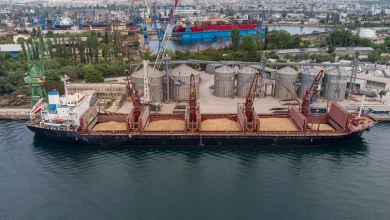
Diversifying import routes has also emerged as an important strategy for reducing supply-chain vulnerability. Iran’s northern ports accounted for around 20 percent of imports last year, and their share could increase under current conditions if logistical constraints are addressed. Greater use of northern entry points could provide an additional channel for supplying essential commodities alongside the country’s traditional southern ports.
At the same time, restrictions affecting some commercial and financial channels with the UAE have increased the importance of alternative mechanisms for foreign-exchange supply and trade. While these restrictions have created difficulties for some importers that had already arranged financing, alternative routes for financing essential-goods imports are being activated and the supply of foreign currency has not stopped.
Another key issue is the proposed expansion of feed wheat imports as a substitute for corn in livestock and poultry feed. Although the policy is considered appropriate, lengthy regulatory and administrative procedures can slow imports and market distribution.
Overall, expanding alternative import routes, increasing the role of northern ports, facilitating feed-wheat imports and resolving outstanding foreign-exchange claims are presented as essential measures to reduce supply-chain risks and strengthen Iran’s food security.