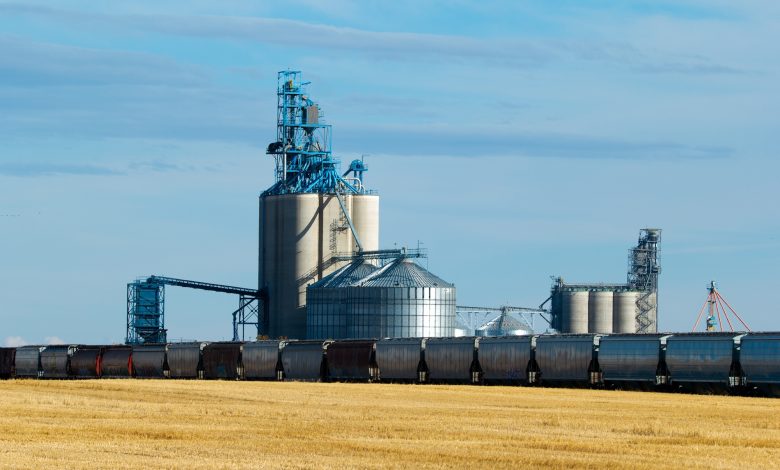
As rising transportation costs and the growing importance of regional transit strengthen the case for rail freight, demand for rail cargo transportation in Iran continues to exceed the network’s operational capacity.
This gap means that a significant share of cargo that could be transported by rail is still moving by road.
The challenge goes beyond a shortage of new railway lines. Limited capacity, low network productivity, weak connections to production and consumption centers, service quality and traditional financing models remain among the key obstacles to increasing rail’s share of freight transportation. On some parallel routes, the volume of road freight is several times greater than the available rail capacity.
At the same time, sanctions are not considered the main obstacle to railway development. Domestic challenges, including project financing, infrastructure maintenance and low network productivity, play a more decisive role.
One of the key strengths of Iran’s railway network is its resilience during crises. During the recent 40-day war, some damaged routes were restored to service in less than 12 to 14 hours, demonstrating the technical capability and resilience of the network.
Increasing rail’s role in freight transportation will therefore require a strategy that goes beyond building new lines, with greater focus on network efficiency, infrastructure modernization, sustainable financing and shifting freight from road to rail.