Halt on Storage Tariffs and Key Challenges in Livestock Inputs Import to Iran
Mr. Mohammadreza Kalami, Secretary of Iran Feed Grain Importers’ Union (Iran Avanda)

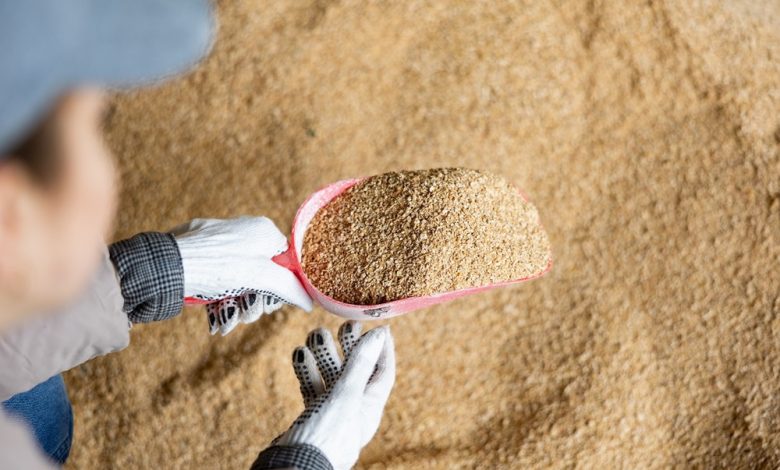
The latest import of livestock inputs by the end of October this year was 10.222 million tons worth about 4.083 billion dollars. This is while in the same period in 2023, 8.384 million tons of inputs worth 3.962 billion dollars were imported into the country. Also, in the first seven months of this year, 5.214 million tons of corn worth 1.598 billion dollars, 1.358 million tons of barley worth 315 million dollars, 2.149 million tons of soybean meal worth 1.264 billion dollars and 1.5 million tons of soybeans worth 907 million dollars were imported into the country.
Importers have no incentive to store goods in ports, because importers are not allowed to offer goods at a higher price to their intended buyer, and storing goods in ports, in addition to heavy financial costs, also leads to increased waste of perishable livestock inputs, which quickly deteriorate in the heat of southern ports, and it is the importer who experiences the high cost of goods and is not allowed to receive them from the buyer. Accordingly, the increase in tariffs has had no effect on reducing the trend of bulk goods, especially basic and essential goods, in ports and customs.
In this regard, when the Government Economic Headquarters issues an order to stop receiving the 300% or 4-fold storage tariff from the beginning of July of this year and orders that the documents and records of the cost price be sent to the Government Economic Headquarters for expert review and approval, the meaning is that every percentage of legal increase in the storage tariff approved in the next government session must be applied from the beginning of 1403 (2024-25) and the excess received must be returned to the suppliers’ credit account. Therefore, it is obvious that when the storage tariff is determined from the beginning of this year, the previous year’s storage rate cannot be higher than the tariff rate of 2024.