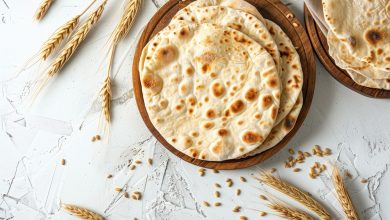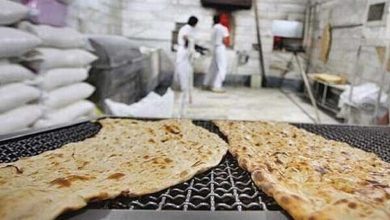
- Mofti, a GTC expert: Resources for “Developing Industrial Bread” plan in budget regulations for 2007 were approved in Rial and Dollars. According to this budget regulations, 500 million Dollars from National Development Fund of Iran and 1000 billion Rials as loan were dedicated to development and improvement of industrial bread’s quality in Iran. About 30 million Dollars was also given as loans for those who wanted to buy equipment.
- Hosseini, a GTC expert: Problems such as marketing, sales and lack of competition are the most important challenges for industrial bread producers who have spent million Dollars for building and equipping the plants and are producing only 5 tons of bread per day, instead of 20 tons.
- Dr Siyadat Nasab, Iran’s Commercial Attaché in South Africa: According to the statistics, Africa’s share of world trade is about 3 percent, while the trade exchange between Common Market for Eastern and Southern Africa (COMESA), East African Community (EAC) and Southern African Development Community (SADC) in 2004 to 2015 has tripled. The trade exchange between these communities in the above years has risen from 3 billion and 600 million dollars to 102 billion and 600 million dollars which indicates the rise of economic convergence in Africa.
- Dr Ghanbari, Head of GTC: With the hard effort of President Rouhani’s Government and the efforts of farmers, Iran is capable of exporting 3 million tons of wheat. He mentioned that the most important customers of Iran’s wheat and flour are Turkey, Afghanistan, Iraq and Italy. Ghanbari also added that Iran’s durum wheat regarding the quality factors is as good as Canadian durum wheat and many countries are buying it for pasta production. Exporting 2500 tons of wheat and flour and 500 thousand tons of durum wheat has earned 600 million dollars for Iran.
- Merzad Jamshidi, Head of IAOM MEA, answering the question about Iran’s wheat export, said: When Iran suddenly enters the global trade market, it would pose many questions such as, who is going to export wheat, the private sector or the government? And who will transfer the cargo? These are the questions that worry the buyers. Presence in the global market gives peace of mind to the customers. We as the exporters have to ensure the customers that we can be in the market for a long time.
- Ensi Makaon’s CEO: The high percentage of impurity in durum wheat which the government sells to pasta makers, is a big challenge for pasta producers. Another problem with the durum wheat is the long storage time before it gets to the factory, this causes quality fall in the final product.
- Ettehad Flour’s CEO: The climate in Iran is not stable, therefore, we have good rainfall for one year and consequently good quality wheat. However, with the change in rainfall in other years we cannot produce wheat with a good quality. If the government wants to export wheat, the have to sell the best quality to buyers and the local market will be left with low quality wheat. I strongly disagree with wheat export, the government can export low quality wheat as feed and imports high quality wheat for using in the local market.
- Nashtifan is a town located in the southern parts of Khorasan Razavi province, in Iran, 20 kilometers away from Khaf and 30 kilometers away from the border with Afghanistan. One of the main characteristics of the area is the strong winds that blow across it, causing it to initially be called Nish Toofan or “storm’s sting”. As a result of the natural elements in the area, windmills have been part of the region’s industrial creativity and have been used throughout many centuries.
- There are approximately 30 of windmills scattered thought the area and can reach heights of 15-20 meters. The windmills are believed to have been erected during the Safavid dynasty and are generally constructed out of clay, straw and wood. Although these windmills have been registered as a national heritage site in 2002, these days they are not cared about and may stop turning soon.
- Buhler Iran’s CEO: According to the latest analyses that Buhler has done, the pasta equipment producers are facing some problems. In the past years, Italian companies which produced pasta making machinery has decreased the price unbelievably and this led to problems in this industry in the current year. Pavan and fava are selling the companies because of financial problems and this is not a good news for their customers.
- Head of Tehran’s Bakers Union: The union is trying its best to decrease the per capita consumption per person in Tehran. Bakeries which used to get 9 bags of subsidies flour in the past will just get 5 now.
- Ministry of Agriculture Jihad: The planted area for wheat until the end of January is 5860 acres which 2070 acres are for irrigated wheat.