Iran’s Food Security Depends on Diversifying Trade Corridors
......Esmaeili, CEO of Royal Molasses Iranian

Iran’s essential-goods supply chain is facing simultaneous currency, banking, logistics and geopolitical risks, while more than €4 billion in foreign-exchange claims owed to importers remains unsettled. The prolonged blockage of these funds is not merely a financial issue; it is putting pressure on importers’ working capital and, ultimately, their ability to maintain the country’s supply of essential goods.
The situation could also weaken Iranian companies’ credibility with foreign suppliers, potentially leading to shorter credit periods, higher demands for advance payments and tougher purchasing conditions. At the same time, currency volatility, rising marine insurance and freight costs, and the possibility of shipping delays or route changes are increasing uncertainty across the entire import process.
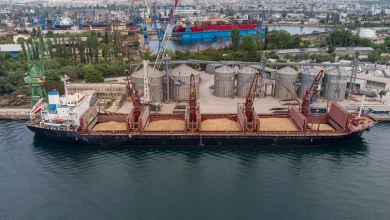
One of the most significant issues is the geographical diversification of Iran’s trade routes. Northern ports and the Caspian Sea could play a greater role in supplying essential commodities, particularly given Iran’s proximity to major grain producers such as Russia and Kazakhstan. However, limitations in Caspian shipping capacity, port infrastructure, storage and rail connections mean that northern ports cannot fully replace the southern ports in the short term.
Land routes through Türkiye and northern countries can likewise serve as complementary corridors, but higher overland transportation costs, multiple borders and differing regulations limit their ability to replace maritime trade entirely. The more resilient strategy is therefore to build a diversified logistics portfolio, in which southern and northern ports and land routes complement one another, reducing the risk that disruption along a single corridor could halt the wider supply chain.
This diversification must also extend to financial channels. Reducing dependence on a single financial route, using alternative currencies and expanding banking relationships are increasingly important components of supply-chain resilience. Food security is no longer defined only by physical stocks of commodities; the financial capacity of importers, their international credibility and access to multiple trade and financial channels are also becoming critical parts of the food-security infrastructure.