Iran Imports 18 Million Tons of Feed Ingredients Each Year as Northern Ports Seek Bigger Role
Seyedjalal Tayeba | Board Member, Iran Feed Grain Importers’ Union

Iran imports around 18 million metric tons of feed ingredients annually, with an estimated trade value of $8 billion. About $4–5 billion of these imports enter through the country’s southern ports, while the remainder is supplied via northern routes, highlighting the strategic importance of diversifying import corridors.
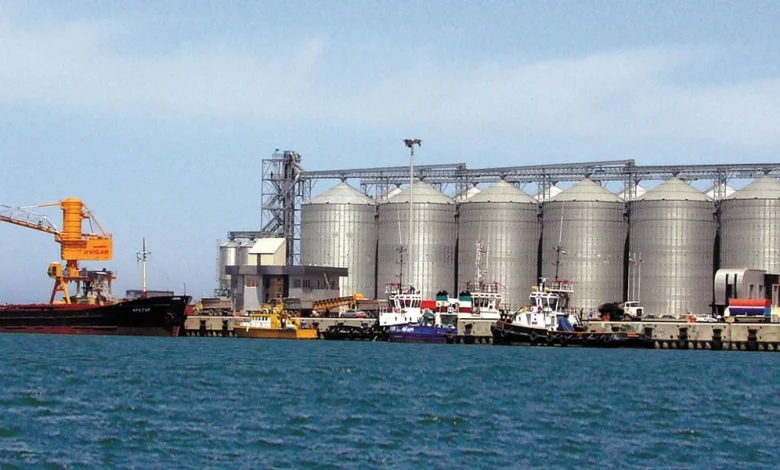
Northern ports currently have the capacity to handle 30% to 40% of Iran’s essential goods imports, and that share could increase to 50% if logistical bottlenecks and infrastructure constraints are addressed. Expanding the role of these ports would reduce pressure on southern gateways while strengthening the resilience of the country’s food supply chain.
The import market has also become more competitive. More than 200 companies are now active in importing feed ingredients and essential commodities, replacing a market that was once dominated by a small number of firms. Maintaining equal access to financing and import channels is seen as essential to preserving competition and preventing a return to market concentration.
International sanctions have added significant costs to imports by complicating financial transactions, insurance, and payments. In the case of corn, these restrictions have increased import costs by around 10%. Expanding sourcing options across multiple countries and suppliers could lower costs, improve bargaining power, and enhance the long-term security of Iran’s essential food supplies.