
Oilseeds
-

Systemic Monopoly Locks Iran’s Oil Trade
One of the country’s most important current challenges in the field of oil supply and import is the issue of…
Read More » -

Preferential Currency Failure in Oil Market
The preferential currency allocation policy, although adopted with the aim of supporting vulnerable groups, did not achieve much in practice.…
Read More » -

Eliminating Oil Subsidy FX and Market Transparency
The foreign exchange allocated for crude oil imports is estimated to be around two billion euros annually. Transferring this commodity…
Read More » -
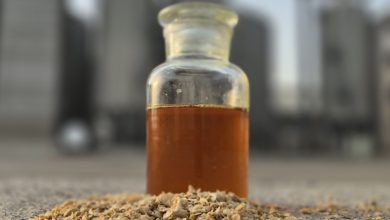
Strategic Expansion of Oilseed Imports
The biggest obstacle today to importing oilseeds, as with other essential commodities, is the restrictions imposed by the Ministry of…
Read More » -
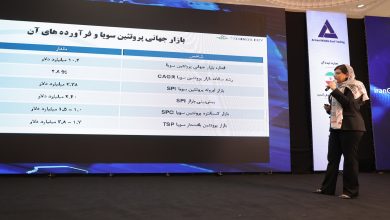
Plant Proteins as a Strategic Driver for Iran’s Oil Industry
In 2024, the global soy protein market reached more than $10 billion and is expanding at an annual growth rate…
Read More » -

Oil Industry Efficiency Drops Amid Currency Mismanagement
Currently, about 230 million tons of vegetable oil are produced in the world, and this figure increases by 3 to…
Read More » -

Oil Refining Plants Struggle Amid Currency Fluctuations
About 95% of the country’s crude oil needs are met through imports, and the failure to allocate foreign exchange on…
Read More » -

Fragile Stability in Edible Oil Market Signals Shortage Risk from October
Mr. Siamak Rabiei, secretary of the Iranian Edible Oils and Fats Association, warned that if the foreign exchange for crude…
Read More » -
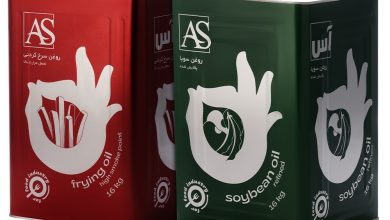
Oil Industry Challenges and Import Dependence Strain Edible Oil Producers
The oil industry in Iran faces numerous challenges in the areas of raw material supply, government policy, and imports. One…
Read More » -

Azem Group’s Role in Strengthening Edible Oil Reserves and Food Security
Azem Group and its subsidiaries, including Goldineh, Golshahd, Shahdineh, Shahdaroo, and Shahdaneh, are key players in Iran’s edible oil supply…
Read More »