- Navidi, CEO of Nayer Flour: 80 percent of the final flour quality is related to the quality of wheat. It has been some years that because of fluctuations in wheat price in Iran’s market, the flour mills are working under pressure and sometimes without proper profit. Navidi believes that only 40 percent of the wheat produced in Iran has good enough quality for producing flour and the only option for having better quality flour is importing wheat.
- Rezavani, CEO of Rezvan Machinary: We have tried to combine modern and artisan bakery in a way that pleases the customers. Most of bakery machineries use a high percentage of electricity and from the start of our work, we have been trying to reduce waste of energy. We have added more gearboxes and because of that we are using low-voltage alternators which result in lower energy consumption in total.
- Atoosa Ajamloo, Head of GTC’s Exports: The wheat surplus is not what we have predicted to be, therefore, we have reduced the amount wheat being released in the market and on the other hand, for continuing wheat and flour exports, there has been an agreement between GTC, Russia’s Prodintorg and Kazakhstan’s FCC in order to swap wheat and flour sing a six-months credit.
- Hassanloo, CEO of Mehrasa Improver: In 1386, in order to replace Sodium Dithionite in high-gluten doughs, fruits with high protease were used for the first time. The first options were melon and kiwi, which later tests showed that kiwi is a better option. Furthermore, for strengthening weak flour we tried to use fruits with high amounts of vitamin c such as orange and pineapple, however, because of the high cost of using them, whey was replaced. In traditional Iranian bread such as Taftoon and Lavash, if the gluten content is high, the dough is not flattened in the desired way, therefore, something such as salt should be added to break the gluten and make it softer. But in some dough which have been made from low gluten flour, it is not possible to add yeast and adding salt more than the standards is not safe for the consumers.
- Food Research Institute of Shahid Beheshti University is one of the most prominent research institutes in Iran which started using farinograph around 35 years ago. After all these years, they have re-started their collaboration Brabender and is using their farinograph, extensograph, amylograph and grinders in the texture lab.
- Mehdi Ahmad Khanloo, CEO of Panik and representative of Delifrance in Iran: Today, half of UK’s bread market is in the hands of frozen bread, however, in Iran this idea is not acceptable. We are not after manufacturing artificial bread, we just want to add shelf life and reduce wastes. Using frozen dough is also low cost because you do not need to pay for more workers. Delifrance’s ingredients are imported from France and are processed in Panik. We have two different categories of products: ready to bake and ready to serve.
- Mehdi Khezeli, CEO of Sanat Novin Flour: One of the biggest challenges that Iranian machinery producers are facing these days, is the import of different low-quality machineries from different countries which has hampered our sales. We are asking for more import tariffs for machineries in the field of bakery and flour in order to support the local producers.
- Mehdi Karimi Tafreshi, Head of Board in the Food Producers Union: According to the latest reports, Iran is the 18th biggest economy of the world. The reports of the International Monetary Fund show that the GDP according to purchasing power parity has risen to 1630 billion Dollars. This is the biggest industrial and economical achievement in the last year.
- The new software developed by Beh Andish Company which is called Asiaban (Miller) creates a better connection between accounting, milling and sales. Asiaban reduces the costs and increases pace and accuracy in flour mills. More than 40 flour mills in Iran are using this software now.
- According to experts in agriculture, farms in Guinea are appropriate for growing grains especially maize and feed. The number of ports in this country makes it an ideal place for agricultural outsourcing for Iran. The farm owners are willing to rent their farms with a very low rent.
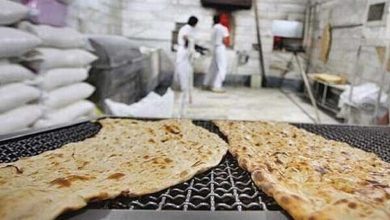
- The traditional oven in which the Sangak bread is baked dates back to the time of Abbas I of Persia. King Abbas Safavi was always traveling with many soldiers and these soldiers needed fresh bread. However, the bread that was then baked was not of good quality and because the flour was from different cities, the bakers could not make dough which would stick together in the vertical ovens of that time. Therefore, the king asked for a solution from Sheikh Bahaiee, a renowned scientist, and he invented the horizontal oven with pebbles as the bed of it which is still used in all parts of Iran as the oven for making Sangak bread.
- Iran has got more than 350 flour mills which makes it a great market for machinery producers. The investments made for building and running a flour mill is tremendous; however, the question is whether these flour mills make enough profit? Many in Iran believe that the answer to this question is negative.
- Gholamreza Asghari, Head of Iran’s FDA: Genetically modified products are not imported from any country which produces them. Iran just buys the product that the producer country would also use it in the local market. These products are brought to Iran and undergo extensive tests and then are allowed to be imported. The companies that use these ingredients should be obliged to mention that on the packaging.
- Abdolhossein Tootiaee, researcher in grain economy: Regarding the fact that the rainfall in Iran has decreased significantly during last fall season, the expected 3 million tons of rain fed wheat is heavily damaged. Even the arable lands of wheat are experiencing difficulties for irrigation and we expect 3 to 4 million tons lower wheat output for the 2017-2018.
- Sadeghian, CEO of Ard Daran: The challenges in buying wheat during the past months have made all the flour industry’s managers so occupied that they cannot think of new investments and developing plans. In other words, the problems in buying good quality wheat have pushed the flour industry into a boring routine. The government should be thinking about giving import permits for wheat in the second half of 1397, with the lower rainfall, Iran needs imported wheat.
- There are more than 3 million people in Iran who are in some way allergic to gluten, however, the products specialized for them are not enough at all. Gluten is not just in the wheat but also in any process that has been involved with that, therefore, many drugs are not usable for these people because the pharmaceutical companies in Iran do not pay attention to this.